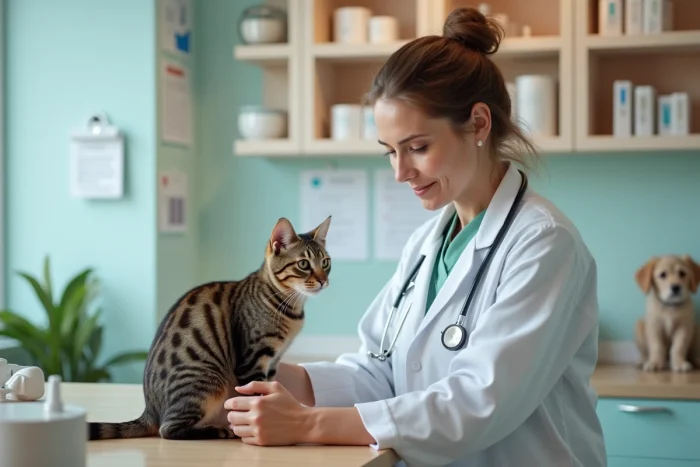
The feline nutritional recommendations exclude the presence of low-quality animal by-products in the daily diet. Yet, most of the kibble available in supermarkets still contains a significant proportion of them.
In light of this observation, some manufacturers now display short and transparent ingredient lists, seeking to gain the trust of veterinarians. However, when scrutinized by professionals, these promises clash with the reality of the composition: notable discrepancies appear between the projected image and the true nutritional value.
Feline nutrition, a key issue for your cat’s health
There is no room for improvisation when it comes to feeding a cat. Its body demands a diet that emphasizes animal proteins, with a precise balance of fats, fibers, minerals, and vitamins. Every ingredient counts, every choice impacts the animal’s vitality and longevity. The quality of the diet is the foundation of feline well-being.
In detail, Edgard & Cooper offers kibble suitable for various profiles: adult cats, seniors, and sterilized animals. The recipes prioritize fresh chicken, turkey, salmon, or duck as the main sources of protein. This is supplemented with plant proteins, carbohydrates, fibers, as well as contributions of calcium, phosphorus, omega-3, and omega-6. On paper, the balance seems to be there. But when looking at the protein-to-phosphorus ratio, often below 35, doubts arise about the actual nutritional density of the proteins used. The veterinary opinions on Edgard Cooper cat, shared in specialized circles, highlight a proportion of plant proteins and carbohydrates that they consider high for a strict carnivore.
In practice, this kibble is suitable for a healthy adult cat with an active lifestyle. However, when it comes to more fragile animals: seniors, growing cats, or those with digestive issues, caution is advised. Nutritional needs evolve with age, activity level, and health status. Too many carbohydrates or too few animal proteins: the risk of imbalance is not theoretical; it can result in health issues that may be long-lasting. Before being swayed by marketing rhetoric or the “natural” label, it is better to focus on the actual composition.
What do veterinarians really say about the quality of Edgard Cooper’s ingredients?
The composition of Edgard & Cooper kibble sparks lively discussions among veterinarians. The brand appeals with its transparent communication and ethical dimension, but, fundamentally, the formulation does not always win approval. Fresh animal proteins, such as chicken or salmon, place Edgard & Cooper in the premium category, but several specialists regret the absence of veterinary nutritionists in the recipe creation.
Here are the positive points frequently noted by practitioners:
- The predominant share of fresh animal proteins
- The gentle cooking process that helps preserve nutrients
- A recognized palatability and adequate digestibility
- Carefully sourced ingredients, without grains or unnecessary additives
However, reservations persist in the professionals’ discourse. The high carbohydrate content, the significant share of plant proteins, and a protein-to-phosphorus ratio regularly below 35 raise questions: for the cat, a strict carnivore, these choices are concerning. Several veterinarians also point out a lack of precise information on certain nutritional rates, and a high price that is not always justified by the composition.
While the brand highlights its ecological commitment, its recyclable packaging, and its charitable actions, veterinarians remind us that, for the health of cats, only the alignment between nutritional intake and physiological needs matters. Before being convinced by polished marketing or slogans, it is better to scrutinize the analytical sheet and compare the numbers.
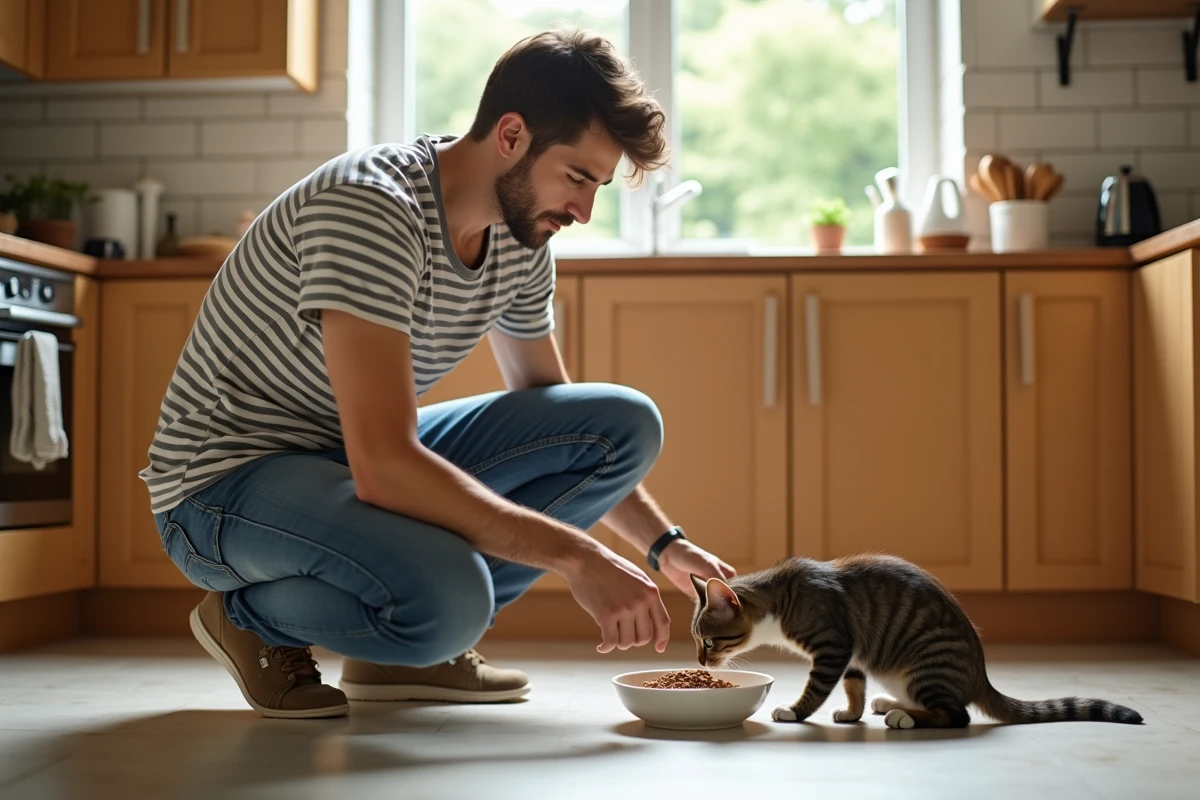
Understanding why the composition of Edgard Cooper kibble attracts more and more cat owners
How can we explain this growing success? Several reasons drive owners to choose Edgard Cooper for their cats. First, the selection of fresh ingredients: chicken, turkey, duck, salmon. This choice contrasts with industrial standards, and the brand emphasizes fresh meat and gentle cooking. The absence of grains and artificial additives reassures a clientele attentive to the composition.
Additionally, there is the ethical dimension. Since 2016, the Belgian brand has relied on transparency: recyclable packaging, funding for animal shelters, preference for natural additives. Everything is done to appeal to a clientele concerned about the environment and animal welfare.
Consumer feedback emphasizes the pleasure cats have in eating this kibble, its good digestibility, and the ease of access to the product: online sales, in pet stores, sometimes in supermarkets. This accessibility broadens the brand’s reach. But not everything is perfect: the price, often between €9 and €11/kg, deters some households. The composition, sometimes deemed too plant-based, also leaves room for discussion. Some owners also report occasional delivery or customer service issues.
One thing is certain: the trend is confirmed. More and more owners are seeking a diet perceived as healthier, responsible, and grain-free. But the debate over composition and nutritional relevance continues to fuel discussions among experts and users. Regardless, the quest for the ideal kibble does not seem close to ending: each cat, each family, each experience further enriches the collective reflection.