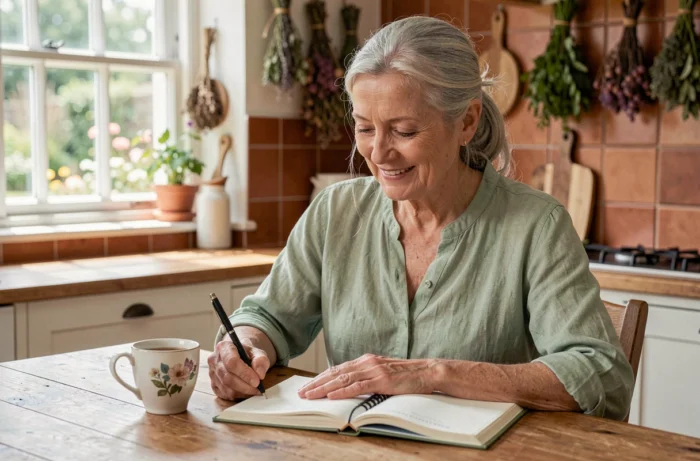
After 60, the body changes its rhythm. Joints may feel a bit stiff in the morning, digestion slows down, and sleep becomes lighter. These changes are normal, but they do not condemn anyone to passively endure the passage of time. Aging well relies on concrete choices, repeated daily, that preserve both physical health and social life.
ICOPE Program: identifying frailty before the loss of autonomy
Have you ever noticed that an elderly loved one sometimes declines very quickly after a minor event, a fall, or a bout of the flu? This sudden shift is often a sign of frailty that has developed over months, which no one had identified.
The rollout of the ICOPE program in France aims precisely to identify these frailties starting at age 60. Six areas are evaluated: memory, mobility, nutrition, vision, hearing, and psychological state. The idea is to act before the loss of autonomy sets in, not after.
In practical terms, a healthcare professional administers simple tests. Remembering five words, standing up from a chair without using hands, answering a few questions about mood. If any area shows a warning sign, a thorough assessment is proposed. This structured screening goes far beyond the usual advice from Vous et Votre Santé on lifestyle, because it targets specific and measurable declines.
The main benefit of this approach is its timeliness. An early detected balance disorder can be corrected through rehabilitation. Detected after a hip fracture, it often leads to a long hospitalization and a lasting loss of autonomy.
Physical activity after 60: what truly protects seniors
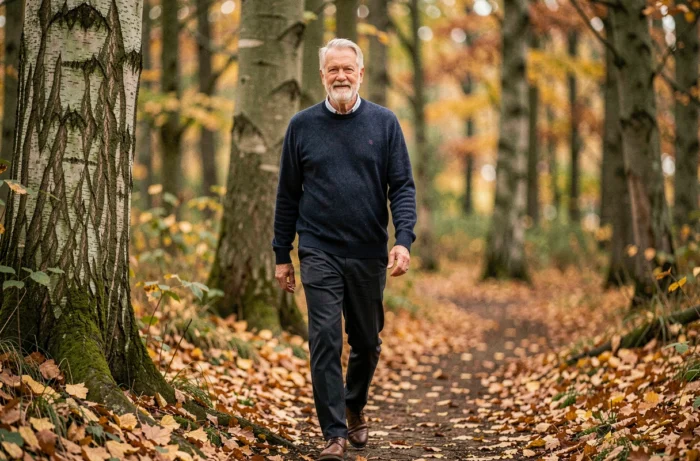
Walking remains the most accessible preventive action. There’s no need to run a half-marathon. Thirty minutes of daily walking is enough to maintain muscle mass and stimulate balance.
The real issue after 60 is not cardiovascular endurance. It’s muscle strength. Sarcopenia, the gradual loss of muscle mass related to aging, increases the risk of falls and reduces the ability to remain autonomous at home.
Three types of complementary exercises
- Gentle muscle strengthening (lifting light weights, bodyweight exercises) slows down the loss of muscle mass and protects the joints
- Balance training (standing on one foot, walking in a straight line) directly reduces the risk of falls, the leading cause of loss of autonomy among seniors
- Regular stretching preserves joint flexibility and facilitates daily actions, such as putting on a coat or reaching for an object overhead
Adapted physical activity is not practiced alone in one’s living room. Group sessions, led by a trained professional, combine exercise and social connection. This dual effect is precisely what current prevention policies aim to develop.
Nutrition and prevention: common mistakes after 60
Many seniors naturally reduce their portions as they age. Appetite decreases, and meals become lighter. The problem is that malnutrition affects a significant portion of older adults living at home, often without their families noticing.
Protein is the first deficient nutrient. A senior needs a protein intake at least equivalent to that of a younger adult, or even higher, to compensate for muscle loss. Meat, fish, eggs, legumes: every meal should contain a source of protein.
Hydration: an underestimated trap
The sensation of thirst decreases with age. One can be dehydrated without realizing it. Even mild dehydration causes fatigue, confusion, and increases the risk of falls. Drinking regularly without waiting for thirst is a habit to develop, not a trivial piece of advice.
A balanced diet is not limited to the composition of the plate. Eating alone, standing, in front of the television often leads to eating less and less well. Sharing a meal, even once a week, helps maintain the pleasure of eating and indirectly monitors nutritional status.

Social isolation of the elderly: a risk as serious as a chronic illness
Social connection is not a luxury. Recent data in France indicate a marked increase in what researchers call “social death” among older adults, meaning interactions have become very rare or nearly nonexistent.
Prolonged isolation accelerates cognitive and physical decline in a manner comparable to certain chronic conditions. Recent recommendations explicitly link physical activity, nutrition, and the maintenance of social relationships in prevention policies.
Maintaining an active role does not necessarily involve volunteering or participating in community activities. Doing a favor for a neighbor, attending a workshop, having regular phone conversations with a loved one: these micro-interactions matter.
Well Aging Law 2024: what changes for home care
The law adopted on April 8, 2024, strengthens several concrete measures. It introduces provisions related to the prevention of abuse, coordination among elderly care providers, and transparency of facilities for older adults.
For seniors living at home, the text marks a shift towards more structured support. The home has become the preferred living space for the majority of older adults, and public policies are adapting to this reality.
- New indicators will be published in the official directory of facilities to better inform families about care conditions
- Coordination between home care services, healthcare professionals, and local authorities will be subject to specific measures
- The prevention of loss of autonomy is prioritized, with earlier identification of frailties
These legislative changes reflect a shift in perspective. Prevention costs less than repair, and maintaining autonomy begins well before it is threatened.
Aging well after 60 is not a matter of genetic luck. It is a combination of early detection, regular physical activity, appropriate nutrition, and maintained social connections. The Well Aging Law of 2024 and the ICOPE program now provide a structured framework for early action, provided one takes advantage of it.