Sports equipment that is poorly sized or unsuited to the athlete’s biomechanics creates unnecessary joint stress, hinders technical progress, and distorts proprioceptive feedback. Choosing the right gear depends on measurable criteria that go far beyond price range or appearance.
Regulatory compliance and safety standards: the factor buying guides overlook
A comfortable bike helmet does not necessarily meet the safety requirements for the intended discipline. Most mainstream comparison guides give too little attention to the distinction between a comfortable fit and compliance with applicable standards.
For any protective equipment (helmets, shin guards, back protectors, knee pads), the first thing to check is the marking confirming compliance with current regulatory requirements. A product sold online without this marking offers no guarantee, whatever its price.
Regulatory compliance takes priority over perceived comfort. A helmet that feels slightly tight but properly absorbs impact energy offers better protection than a comfortable model that is too small. We recommend always checking the compliance marking before assessing the fit.
The European Ecodesign for Sustainable Products Regulation, which came into force in 2024, sets out requirements that will be introduced progressively by product category. In time, standardized information on durability and repairability will accompany each product reference, making it easier to compare manufacturers objectively.
Repairability and the true cost of owning sports equipment
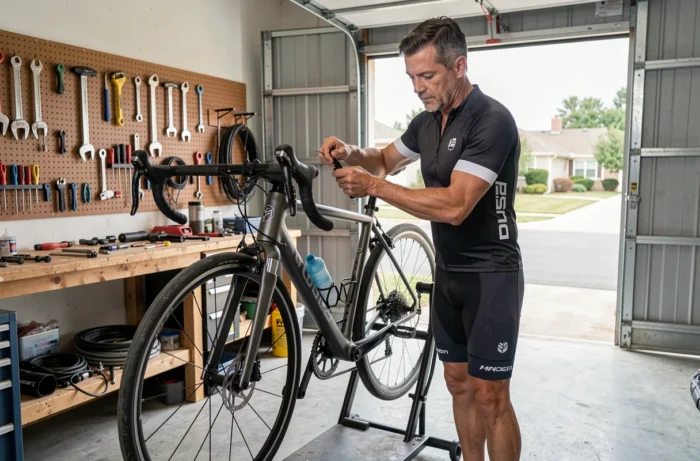
The purchase price represents only a fraction of the true cost. A bike whose derailleur can be easily replaced by a certified repairer costs less over three seasons than an entry-level model with hard-to-find parts. The same applies to running shoes, technical clothing, and strength-training equipment.
The repair bonus, which also covers certain sports and leisure items, provides a discount at a certified repairer when the equipment is out of warranty and eligible. This scheme changes the equation: a repairable product costs less than a disposable one, even if its list price is higher.
Before finalizing a purchase, it is worth browsing sports equipment on TicTac Sport to compare available ranges and identify brands that provide information on spare-part availability.
Check these three things before buying to anticipate the cost of ownership:
- Availability of wear parts (midsole inserts, brake pads, cables, helmet padding) from the manufacturer or third-party distributors.
- Whether there is a network of certified repairers for the product category in question, a requirement for claiming the repair bonus.
- The product’s modular design: equipment with components that can be removed without specialist tools is quicker and cheaper to repair.
Sports shoes and specialist equipment: match your choice to your biomechanics
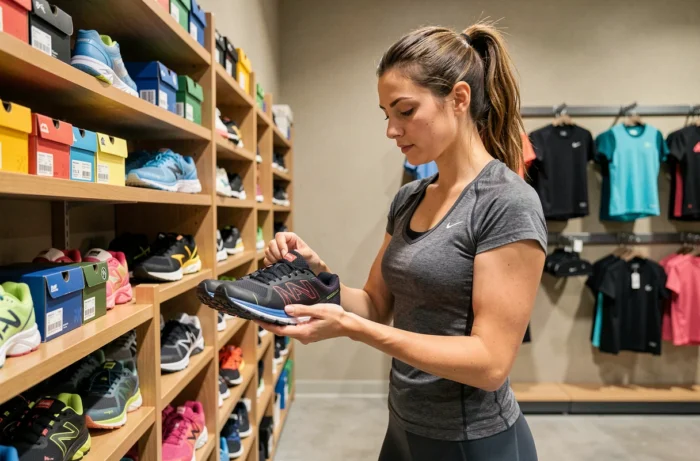
Equipment should adapt to the athlete, not the other way around. In running, foot strike (overpronation, supination, or neutral) determines the structure of the sole. In strength training, sole stiffness affects stability during pushing movements. Buying shoes without knowing these factors is a shot in the dark.
In sports that involve gripping equipment (rackets, clubs, sticks), the grip, weight, and balance of the gear affect the quality of your technique. A grip that is too wide or too narrow changes the angle of impact and causes muscular compensation that can lead to tendinopathy over time.
Size and body shape: beyond standard size charts
Size charts vary from one manufacturer to another. A size 42 from one brand may correspond to a 43 from another. Measuring foot length while bearing weight (standing, at the end of the day when the foot is slightly swollen) provides a reliable reference independent of commercial size charts.
For technical clothing, the fit directly affects thermoregulation. An overly loose breathable fabric is less effective at wicking away sweat. Clothing that is too tight restricts movement and limits joint range of motion. The right size allows you to perform the full range of movements required by your sport without excess fabric.
Technical clothing and training accessories: prioritize your purchases
Not everything needs to be technical. A gym fitness enthusiast does not face the same thermal demands as a mountain trail runner. Investing in a waterproof membrane garment for indoor training makes no sense. What you buy first depends on your training environment and how often you practice.
With a limited budget, prioritize items that come into direct contact with your body and face the greatest mechanical demands:
- Shoes, the top investment priority in any sport, because they affect the kinetic chain from the foot to the pelvis.
- Protective gear that is mandatory or strongly recommended for your sport (bike helmet, mouthguard for combat sports, volleyball knee pads).
- The base layer (technical underwear), which wicks away sweat and helps prevent chafing during prolonged exertion.
Training accessories come last: resistance bands, weightlifting belts, heart rate monitors. They can enhance an established training routine, but they cannot make up for unsuitable basic equipment.
Technical fabric durability: what feel alone cannot tell you
A fabric that feels pleasant in the store may lose its moisture-wicking properties after just a few washes if the fibers are low quality. Fabric weight, knit construction (warp-knit or weft-knit), and durable water-repellent treatment are more reliable indicators than the initial feel.
We find that the athletes who make the fastest progress are those who methodically invest in the three priority items before expanding their gear collection. Well-chosen equipment does not replace training, but it removes mechanical barriers to progress. One final useful habit: keep proof of purchase and check the warranty coverage, which determines whether you can access repairs or replacements in the event of premature defects.