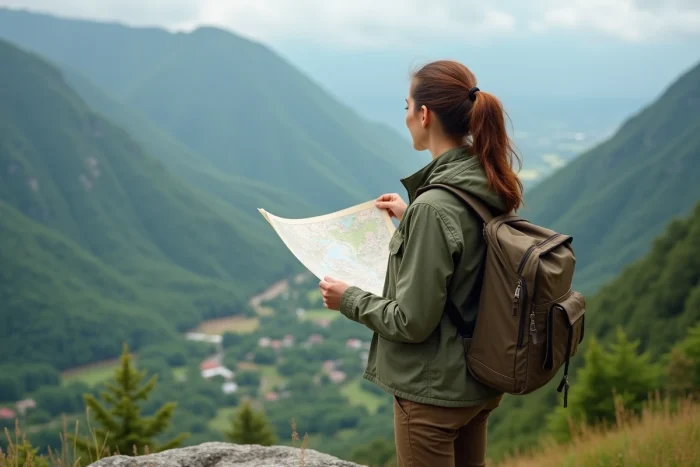
The majority of global tourist itineraries concentrate travelers on less than 10% of the territories visited, according to figures from the World Tourism Organization. However, every year, thousands of people choose off-the-beaten-path tours, favoring direct exchange or soft mobility.
Easy access to information and the diversification of transport options make it possible to explore unknown places or adopt new modes of travel. This trend is accompanied by an increased search for meaning, authentic encounters, and experiences that respect the territories.
Why rethink the way we travel today?
Mass tourism reshapes entire landscapes, from crowded coastlines to villages besieged by flashes. Overcrowding, tensions on natural environments, traditions fading away. In the face of this global surge, a blunt question arises: how to traverse the world without further depleting it, or fading behind clichés?
Choosing a responsible trip means rejecting the ease of uniformity. We take real action: supporting local life, rejecting standardization, adapting to the environment. Nothing utopian here. The numbers speak: nearly 8% of global greenhouse gas emissions come from the tourism sector. Aspiring to an authentic journey means wanting to create genuine connections, exchanges rooted in sincerity.
New forms of adventure reinvent travel and can inspire:
- Solidarity travel places human encounters at the center of the stay.
- Ecotourism ensures the protection of natural spaces.
- Immersive travel prioritizes time spent with locals.
To explore inspiring paths and arm yourself with practical tips, simply discover the Voyager en Découverte website. Changing travel habits means prioritizing proximity, breaking free from overly trodden paths, and opening the door to more openness and spontaneity.
What alternatives are there to explore the world differently and get off the beaten path?
Countering formatted tourism often involves slow travel. Traveling should become a deliberate act, where slowness is a choice: traversing a region on foot, by train, or by bike allows for surprises. Walking through the Cévennes National Park, connecting two European cities by rail, or taking a bike ride between valleys and small towns: each detour multiplies encounters, lightens the carbon footprint, and nourishes happy surprises.
Micro-adventures also transform daily life: setting up a tent for a night twenty kilometers from home, hiking on a forgotten trail, embarking on a wild river descent. Far from any excess, these getaways intensify the experience without requiring extravagant budgets or miles.
There are also human-scale accommodations: eco-lodges on the edge of a forest, agroecological farms, or guest rooms in the heart of an isolated hamlet. This choice changes everything. Instead of impersonal walls, you discover stories, customs, recipes, and shared daily gestures, far from standardized hotels.
More broadly, immersive and participatory stays give substance to this new perspective on the world. Following an artisan, helping with an environmental action, learning about traditional agriculture or cooking—these are experiences that forge memories, much more than any monument.
Concrete tips for organizing a unique, responsible trip rich in encounters
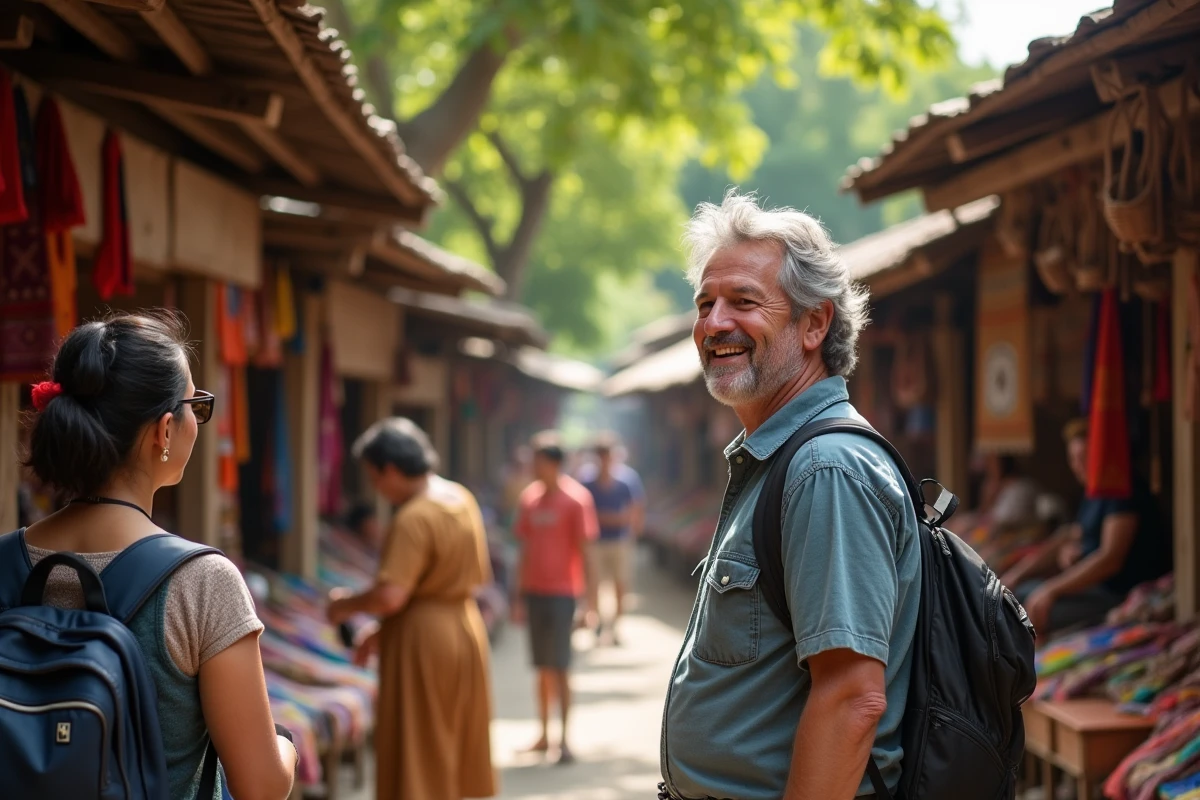
To design a unique journey, authenticity is key. A good foundation is to support local consumption: discovering village markets, tasting raw products, or chatting with a local potter. It’s not uncommon to return with unexpected souvenirs, true witnesses of a culture exchanged hand to hand.
Contact with locals energizes every stay. Here are several options to consider for deepening exchanges and enriching your address book:
- Participate in WWOOFing to share the daily life of an engaged farm.
- Try home exchange to live at the pace of another neighborhood, away from crowds and transient hotels.
- Join a participatory scientific expedition where you get involved in research or observing wildlife while discovering new horizons.
Every movement, every activity should be rooted in respect for the places visited. Favor soft transport, practice zero waste stays, choose ethical activities: these reflexes quickly become natural. Traveling off-season also reserves privileged moments: peaceful cities, authentic discussions, and encounters that take their time. Through a series of mindful decisions, travel becomes more sustainable, richer in human connections, and leaves, on every ground trodden, a light and intentional footprint.