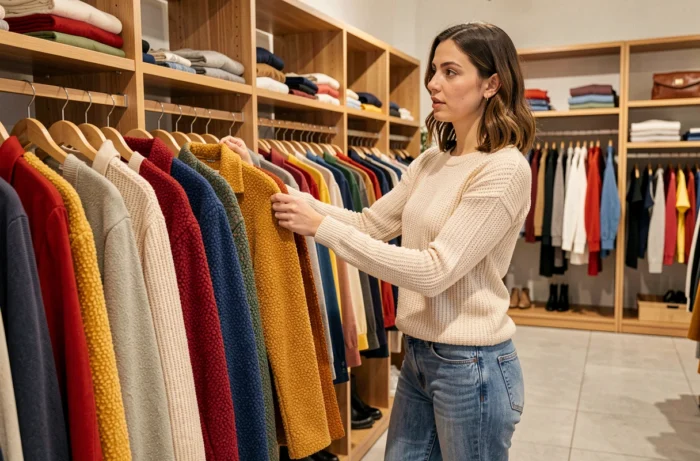
On marketplaces and second-hand platforms, the term “sonstige” appears in product listings for clothing and shoes without any identifiable brand being associated. This German word, which simply means “others” or “various,” has been elevated to the status of a pseudo-brand by catalog import systems and automatic translations. For French-speaking buyers, the label obscures the reading of the product and complicates any attempt at comparison.
Sonstige in fashion product listings: a cataloging bias, not a brand
The mention “sonstige” or “sonstiges” has never been registered as a trademark. It comes from German-speaking databases, where it serves as a residual category for any item whose manufacturer has not been provided or whose information has been lost during a transfer between systems.
E-commerce platforms that aggregate international catalogs import this value as is. The algorithm treats “sonstige” as a brand name, generating result pages where leather shoes sit alongside synthetic t-shirts under the same label. The commonality between these items is nonexistent: no manufacturer, no range, no shared price positioning.
In second-hand markets, the phenomenon amplifies. A seller who cannot find the brand of a garment sometimes selects “sonstige” from the dropdown menu, lacking a better option. It is therefore common to come across clothing and shoes from sonstige brand without any reliable information about their origin being available in the listing.
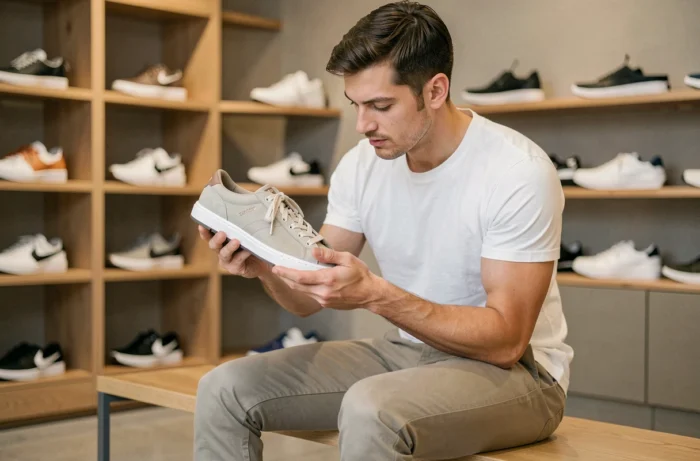
Clothing and shoes sonstige: what the physical label reveals
The online listing and the label sewn onto the item rarely tell the same story. A product cataloged as “sonstige” may very well carry a brand on its lining, collar, or insole. The data is missing in the computer system, not necessarily on the product itself.
This distinction changes the game for the buyer. Checking photos of the care label, asking for a snapshot of the inner tag or insole often allows tracing back to the actual manufacturer. On peer-to-peer resale platforms, this information is accessible if the seller agrees to provide it.
Clues to look for on an item labeled sonstige
- The textile care label, mandatory in the European Union, sometimes mentions the name of the manufacturer or importer in addition to the materials used
- On shoes, the insole or heel often bears a logo or name engraved that the online listing does not include
- Barcodes and internal references, visible on hangtags, allow for a quick search to identify the original brand
These checks take a few minutes and reduce the risk of purchasing a product whose actual quality remains unknown.
Traceability of online clothing: what the European framework will change
The European regulation on the eco-design of sustainable products (ESPR), in effect since July 18, 2024, lays the groundwork for a digital passport for textile products. This system provides that a unique identifier accompanies each item, with data on its composition, origin, and manufacturing conditions.
The rollout will occur by product categories, according to a timeline that remains to be specified for textiles and footwear. Items already in circulation, especially those in the second-hand market, pose a specific problem: a second-hand garment with an unknown origin may not always be documented retrospectively like a new item.
For products labeled “sonstige,” this limitation is significant. The digital passport will improve the traceability of new items brought to market, but it will not correct the gaps in existing listings on resale platforms. The second-hand buyer will remain dependent on the information provided by the seller.
Quality of products without identifiable brands: a variable gap
Behind the label “sonstige” coexist very different realities. Some items come from manufacturers who produce under white label for well-known brands. Others are entry-level products whose material and finish quality is limited.
The displayed price is not enough to distinguish between these two categories. An item sold at a low price under the “sonstige” label can be a good deal if the original manufacturer is identifiable. Conversely, a high price guarantees nothing when no information about the origin is available.
Buying a sonstige product: concrete checks before ordering
Being cautious does not mean giving up on the purchase. It means compensating for the absence of a brand with checks that take little time.
- Ask the seller for detailed photos of the inner labels, sole, and finishes (stitching, lining, closures)
- Search for the barcode or product reference in a search engine to find the original manufacturer
- Check the return conditions of the platform, as a product whose actual quality does not match the description can be returned under European withdrawal rights
- Compare the stated materials (leather, cotton, synthetic) with the available photos to spot any inconsistencies
An item without an identifiable brand is not necessarily a bad item. The mention “sonstige” indicates a lack of information in the catalog, not a defect in the product. The distinction between these two realities remains key to making an informed purchase, while waiting for European traceability tools to catch up with the existing stock on platforms.