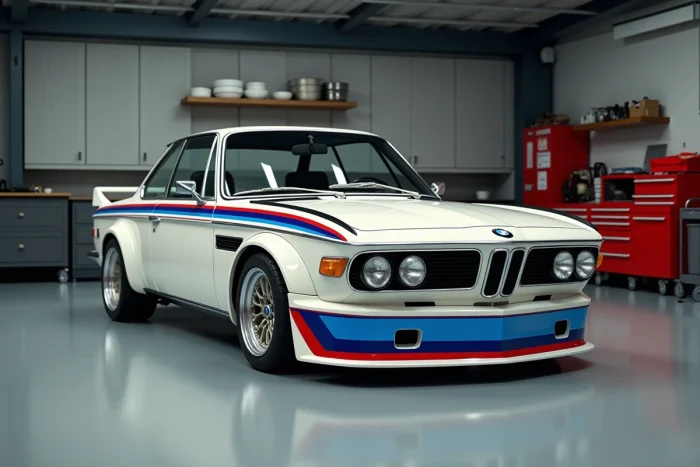
On a a BMW 3.0 CSL from the 1970s, the first problem is never theoretical. You discover it when dismantling a stuck carburetor, searching for an elusive lightweight window, or realizing that a head gasket has been replaced with an aftermarket part that doesn’t hold compression. Maintaining this car means constantly dealing with the rarity of components and the demand for very tight mechanical tolerances.
Supply Chain for Engine Parts for the BMW 3.0 CSL
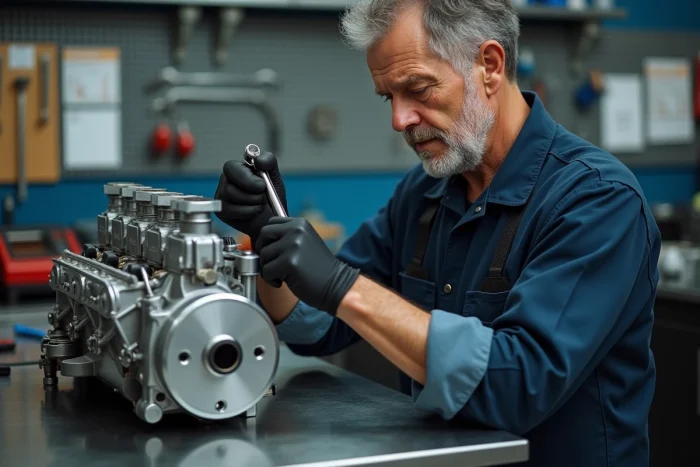
The inline six-cylinder engine of the 3.0 CSL uses high-compression pistons, camshafts, and valves that have nothing to do with a catalog of common parts. Finding these elements requires stepping outside the usual supply chains.
In recent years, specialized engine manufacturers have been producing certified small-series engine components with material traceability and tolerances close to factory specifications. This approach allows you to preserve the original block without cannibalizing another E9 to recover its parts, a practice that depletes the existing fleet.
You can find these refurbished parts through detailed listings on platforms like LesAnciennes, where restorers explicitly mention the origin and warranty of the components. An article detailing the maintenance of the BMW 3.0 CSL on a daily basis confirms the importance of this traceability for long-term reliability.
The reflex to adopt: before ordering, check that the supplier can document the material used, the machining process, and the final dimensions. Without this information, you are buying blindly.
Network of Owners and Rare Parts Circulating Among Collectors
The management of rare parts for the 3.0 CSL does not rely solely on new purchases or remanufacturing. There is an informal yet structured ecosystem among collectors, with internal lists of available components and a system of parts rotation.
The principle is simple. An owner restoring their bodywork can temporarily lend an aerodynamic element (spoiler, “Batmobile” type wing extensions) to another network member waiting for their own remanufactured part. This system relies on trust and rigorous documentation of each exchange.
To access these networks, one generally goes through clubs dedicated to BMW E9 or specialized forums for German classic cars. Feedback varies on the ease of integration into these networks, but the constant remains the same: arriving with a complete technical file for your car opens many more doors than just having a checkbook.
Most Sought-After Items in These Exchanges
- Original lightweight windows, almost impossible to reproduce identically with the same optical and weight properties
- Body elements in aluminum specific to competition versions, whose thickness and stamping differ from standard panels
- Components of the Kugelfischer mechanical injection system, some internal parts of which have not been manufactured for decades
Digital Maintenance File and Impact on the Value of the 3.0 CSL
The paper maintenance booklet is no longer sufficient. In the high-end 3.0 CSL market, buyers now demand a structured digital file that includes scans of invoices, expert reports, correspondence with suppliers of rare parts, and dated photos of each intervention.
Advertisements published between 2024 and 2025 on classic vehicle sales platforms explicitly mention the presence of a “complete digital restoration file” as a selling point. It is no longer a bonus; it is a prerequisite for serious transactions.
Creating a Usable File
We are not talking about throwing photos into a cloud folder. A valuable file follows a chronological logic and associates each intervention with three elements: the invoice, at least one before/after photo, and the exact reference of the installed part.
- Scan each invoice in PDF format with a resolution sufficient to read the part numbers
- Photograph the removed and installed components with a visual reference (visible chassis number, date on a paper in the shot)
- Archive written correspondence with engine manufacturers and suppliers, proving the origin of the parts
- Keep certificates of conformity or authenticity issued by manufacturers of remanufactured parts
This documentation work takes time, but it transforms a restored car into a vehicle with a verifiable history point by point.
Specific Constraints of the Chassis and Lightweight Bodywork
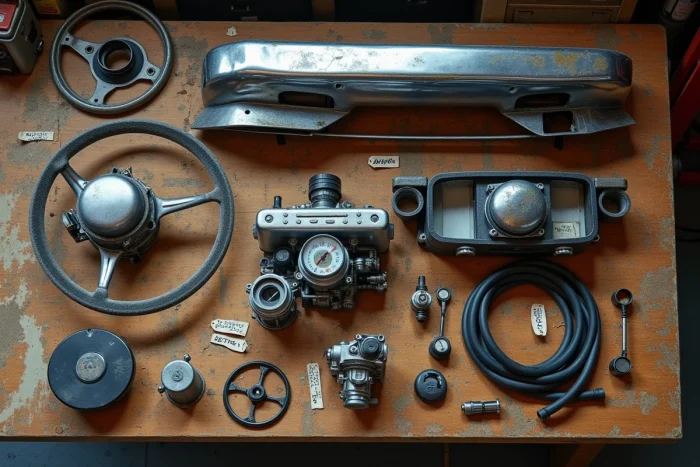
The 3.0 CSL gets its name from the “L” in Leicht (light). The aluminum panels, thinned hood, and lightweight doors pose a concrete problem in maintenance: you do not straighten series aluminum like standard steel sheet metal.
A minor impact on a classic front panel is treated on a frame machine. On the aluminum of the CSL, deformation can create micro-cracks invisible to the naked eye but detectable through dye penetrant testing. Before any bodywork intervention, the area should be checked by a specialist familiar with the lightweight alloys used on competition vehicles from the 1970s.
The roof, often made of thin steel on certain road versions, also deserves special attention regarding the original weld points. Replacing a welded panel with a glued or riveted piece alters the rigidity of the chassis and devalues the car in the eyes of experts during a future authenticity appraisal.
Every intervention on the structure of the 3.0 CSL affects the overall coherence of the vehicle. An owner who documents their technical choices, sources their parts rigorously, and keeps everything in a structured file protects both their car and their ability to pass it on in the best conditions.